Home»Advices»
Aluminum or galvanized steel for a boat launching trolley?
Aluminum or galvanized steel for a boat launching trolley?
STEEL :
Advantages
Very strong et rigid high mechanical resistance, ideal for parts that must withstand heavy loads.
Cheaper that aluminium (in general)
Less sensitive to fatigue it retains its properties longer under repeated load/unload cycles.
Easy to weld and work with useful for repairs or custom fabrication
Disadvantages
Heavy weight heavier than aluminium, which can make the boat heavier and reduce performance.
Corrosion very sensitive to seawater
Less aesthetic over time
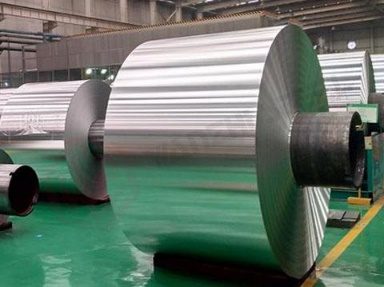
ALUMINIUM :
Advantages
Lightweight reduces onboard weight, improves speed and maneuverability
Corrosion – resistant requires less maintenance than steel
Good strenght to weight ratio used for masts, booms, travellers
Disadvantages
Less rigid than steel may deform under high stress
More expensive to purchase
Galvanic corrosion if in contact with other metals, risk of accelerated corrosion in the presence of salt water
Fatigue aluminium fatigues faster than steel and can crack over time under repeated stress
Stainless steel is often preferred for fasteners, chainplates, and critical structural components strenght + corrosion resistance
Aluminium is deal for everything that must be lightweight (masts, booms, travellers, blocks, winches)
DINGHY TROLLEYS
Galvanized steel – Pros
Stainless steel screws and wheel axle corrosion resistance
Strong and sturdy (ideal for heavy loads or intensive use)
Generally more durable over time for « all-terrain » or collective use (clubs, marinas…)
Aluminium – Pros
Lightweight and easy to disassemble, solid aluminium centerboard axle
Easier to handle alone (move, disassemble, store)
Less prone to rust (no need, for galvanizing like steel)
Well suited for individuals or those who need to transport/assemble the trolley quickly
In summary :
Galvanized steel = strenght and durability
Aluminium = lightness and maneuverability
Corrosion of galvanized steel vs aluminium
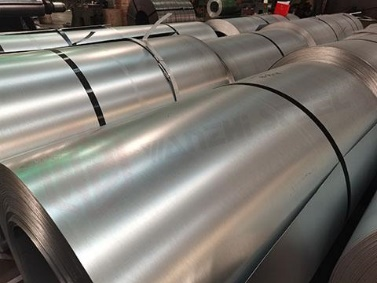
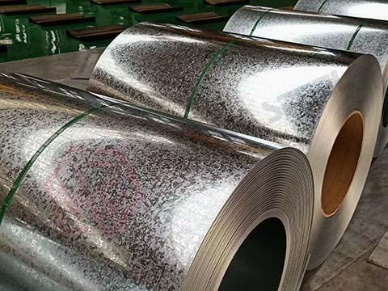
Galvanized steel is a type of steel coated with zinc to protect it from rust and corrosion. The zinc layer act as sacrificial anode, corroding first to protect the underlying steel. As a result, galvanized steel is highly corrosion-resistant, making it ideal for outdoor use.
Similarly, aluminium is highly corrosion-resistant due to the formation of a thin but dense aluminium oxide layer on its surface. This aluminium oxide layer acts as a barrier to protect the underlying metal from further corrosion. Additionnaly, this oxide layer is self-repairing : if the surface is scratched or damaged, the aluminium oxide layer quickly reforms and prevents corrosion from occurring.